%2Ffit-in%2F250x250%2Fguide_websites%2F17416%2Fimages%2F1721161277613image53.png&w=1920&q=100)
/users/134cc0d4-7fb6-40fe-8281-6c52a749bcf3/ratecard/529755670_122219121776248541_3634780359108244545_n-mgjd2tvk.jpg)
%2F300x300%2Fusers%2F134cc0d4-7fb6-40fe-8281-6c52a749bcf3%2Fratecard%2F529755670_122219121776248541_3634780359108244545_n-mgjd2tvk.jpg&w=256&q=75)
%2F300x300%2Fusers%2F134cc0d4-7fb6-40fe-8281-6c52a749bcf3%2Fimages%2Ffishing-trip-port-clinton-2705.jpg&w=256&q=75)
%2F300x300%2Fusers%2F134cc0d4-7fb6-40fe-8281-6c52a749bcf3%2Fimages%2Ffishing-crew-port-clinton-2615.jpg&w=256&q=75)
%2F300x300%2Fusers%2F134cc0d4-7fb6-40fe-8281-6c52a749bcf3%2Fimages%2Ffishing-adventure-port-clinton-2600.jpg&w=256&q=75)
%2F300x300%2Fusers%2F134cc0d4-7fb6-40fe-8281-6c52a749bcf3%2Fimages%2Fport-clinton-fishing-haul-2768.jpg&w=256&q=75)
%2F300x300%2Fusers%2F134cc0d4-7fb6-40fe-8281-6c52a749bcf3%2Fimages%2Ffishing-adventure-port-clinton-2646.jpg&w=256&q=75)
%2F300x300%2Fusers%2F134cc0d4-7fb6-40fe-8281-6c52a749bcf3%2Fimages%2Fgreat-fishing-trip-port-clinton-2702.jpg&w=256&q=75)
Beginner Walleye Fishing on Lake Erie
 Port Clinton, OH
What you will be catching:
 Walleye
- 4-7 hour Lake Erie walleye fishing experience from Port Clinton
- Experienced captain provides all equipment and local expertise included
- Beginner-friendly trip with steady action and trophy-sized catches
Trip Pricing and Availabilities:
Port Clinton Walleye Bonanza for Newbies
Ready to wet a line in some of the best walleye waters around? Our Port Clinton beginner's trip is your ticket to Lake Erie's famous "Walleye Capital of the World." We'll spend 4 to 7 hours cruising the lake, showing you the ropes, and putting you on fish. No experience? No problem. Our seasoned captains love introducing folks to the thrill of hooking into a chunky Erie walleye. You'll be in good hands aboard our comfy Sport-Craft, with all the gear you need to land a cooler full of 'eyes. It's the perfect way to get your feet wet in the world of walleye fishing, make some memories, and maybe even catch dinner!
What to Expect on the Water
Picture this: You're motoring out of Port Clinton as the sun's coming up, Lake Erie stretching out before you like a sheet of glass. Our captain's got the inside scoop on where the walleye are biting, so we'll head straight for the action. We'll set you up with rods, reels, and the hot lures of the day – could be crawler harnesses, crankbaits, or good ol' Erie Dearies, depending on what the fish want. You'll learn how to present your bait, feel for that telltale "thump" of a walleye strike, and how to reel 'em in without losing the big ones. Between catches, soak in the views of the lake, keep an eye out for birds working the water (always a good sign), and enjoy swapping stories with your crew. By the time we head back to port, you'll be hooked on Erie walleye fishing for sure.
Trolling 101 for Newbies
Alright, let's break down how we'll be fishing. Trolling's the name of the game on Erie, and it's a great method for beginners. We'll have multiple lines out behind the boat, each set at different depths to cover more water. The boat does most of the work, moving slowly to pull your baits through the water at just the right speed. Your job? Keep an eye on your rod tip and be ready to grab it when it starts bouncing – that means a walleye's on the other end! We use downriggers, planer boards, and good old-fashioned hand-held rods to maximize our chances. Don't worry if it sounds complicated – we'll walk you through every step, from setting lines to netting fish. Before you know it, you'll be talking about dipsy divers and lead core like a pro.
Why Anglers Keep Coming Back
Lake Erie's walleye fishing is world-class, plain and simple. The lake's western basin, right where we fish out of Port Clinton, is absolutely loaded with walleye. We're talking millions of fish, with plenty in the 5 to 10-pound range. It's not uncommon to hit your limit pretty quick when the bite is on. But it's not just about numbers – the quality of Erie walleye is top-notch. These fish are thick, healthy, and put up a great fight. Plus, there's nothing quite like the satisfaction of learning a new skill and seeing it pay off with fish in the cooler. Our repeat customers love how each trip is a little different, whether it's trying new techniques, exploring different spots on the lake, or just enjoying a day on the water with good company.
Species You'll Want to Hook
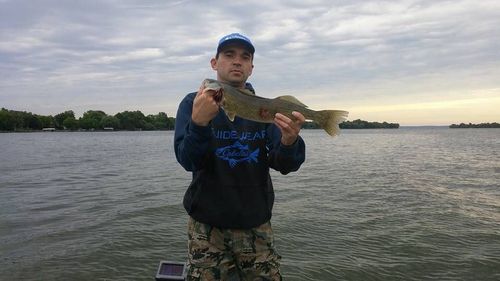
Walleye: The star of the show, Lake Erie walleye are some of the best eating fish you'll ever catch. These golden-eyed predators average 2 to 4 pounds, but 8 to 10-pounders aren't rare. They've got a mouthful of teeth and love to chase down baitfish, which makes for some exciting strikes. Walleye tend to school up, so when you find them, the action can be non-stop. Spring and fall are peak seasons, but summer can be red hot too if you know where to look (hint: we do). The biggest walleye tend to come early in the year, right after ice-out, when the females are full of eggs. But honestly, any day you can hook into a mess of Erie 'eyes is a good day in my book.
Yellow Perch: While we're primarily after walleye, don't be surprised if we run into some jumbo yellow perch. These tasty panfish are cousins to the walleye and travel in big schools. They might be smaller (a 12-incher is considered a trophy), but what they lack in size they make up for in numbers and fight. Perch are especially active in the fall, and if we find a school, you might catch them two at a time. They're arguably even better eating than walleye – get ready for some crispy perch fillets if you're lucky enough to land a bunch.
Smallmouth Bass: The bronze backs of Lake Erie are world-renowned, and for good reason. While we're not targeting them specifically on this trip, don't be shocked if a chunky smallie grabs your walleye bait. These fish average 2 to 4 pounds but can get much bigger. They fight like crazy, often leaping clear out of the water. If we hook into one, hold on tight and enjoy the ride! The western basin's rocky structure is perfect smallmouth habitat, so we often find them mixed in with the walleye.
Time to Book Your Spot
So there you have it, folks – a crash course in Lake Erie walleye fishing, tailor-made for beginners. Whether you're looking to learn the ropes, fill the freezer, or just enjoy a day on the water, our Port Clinton trip has you covered. We provide everything you need, from rods and reels to the local knowledge that puts fish in the boat. All you need to bring is a good attitude and maybe a cooler for your catch. Remember, Erie's walleye fishing is world-famous for a reason, and there's no better place to experience it than right here in Port Clinton. Spots fill up fast, especially during peak season, so don't wait to book your trip. Give us a call, and let's get you out on the lake. Who knows? You might just catch the walleye bug – and a new personal best – all in one day!
Learn more about the species
Walleye
Walleye (Sander Vitreus) Description
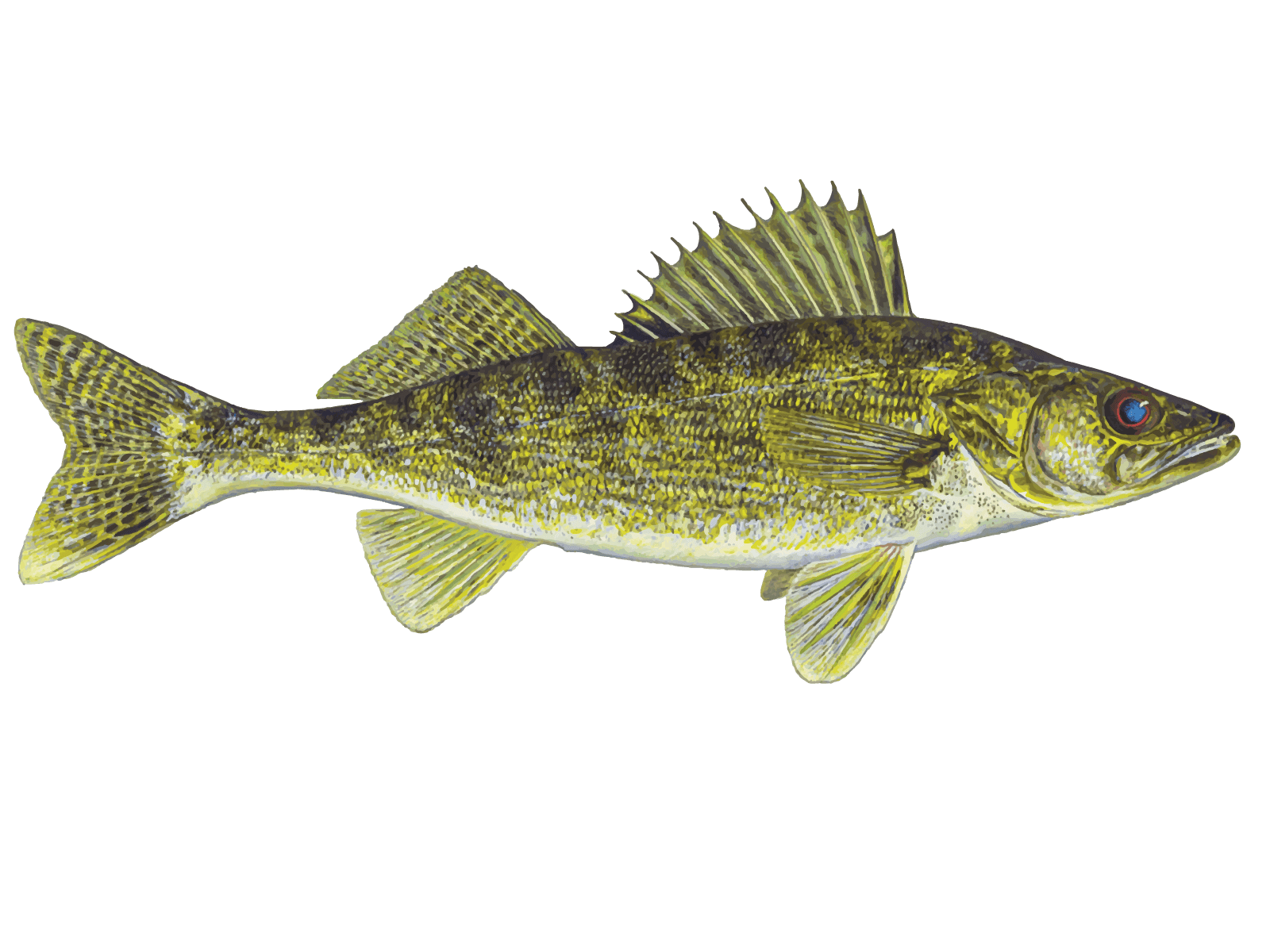
Walleye are freshwater fish that is a part of the perch family. They are a very popular game fish for the angler in the regions where they are found, and also a favorite for the dining table. Walleye are long and thin and have a golden and olive coloring with white bellies. One predominant feature of the walleye is its eyes, which have a silver eyeshine called the tapetum lucidum. This eyeshine greatly aids the walleyes when feeding in low-light conditions.
Walleye Habitat and Distribution

Walleye live in a wide range of habitats. In small to large rivers, to deep and shallow lakes. They are fairly particular to where they like to be in these bodies of water and see out sand, rock, or gravel bottoms. Walleye will usually stay deeper in the water column during daylight hours and use weeds, timber, or other structures for cover. In River systems, they will likely spend their daylight hours in deep holes and drop-offs, and move out into the shallows to seek forage during the lowlight period. Walleyes can tolerate water temperatures from 32 to 90 degrees Fahrenheit but are most comfortable when water temperatures are at 70 degrees. Walleye are nocturnal creatures that feed in shallow waters at night. Adult walleye primarily consume other fish. Small crustaceans and insects, primarily mayflies, are eaten by young walleye.
Walleye are found in the Arctic south of Canada down to the Great Lakes region and east to the St. Lawrence systems. Lake Erie is a well-known home of walleye anglers and great walleye fishing. The Midwest and Canada are the most popular areas with the best fishing, but over decades the species has been introduced artificially into lakes and reservoirs all over North America. The breathtaking waters of Lake of the Woods and Rainy River have earned the title of "Walleye Capital of the World." It has some of the best fishing in the world, and anglers come here year after year in search of that elusive record catch.
Typical Size and Weight
Walleye are reasonably large fish with a sleek and conical body shapes and a mouth lined with sharp teeth. the adult walleye can grow to 30 inches or more in length and top out at around 20 pounds in weight. Females generally grow larger than males.
Interesting Facts
The Walleye also has a European counterpart, the zander, that looks very similar but the zander can grow much larger and can reach a weight of 40 plus pounds.
The walleye can live for decades, with the oldest recorded fish being 29 years old. In areas with heavy fishing pressure however, Walleye usually don’t live past 5 or 6 years of age.
Fishing Techniques - How to Catch Walleye
Walleye can be a challenging game fish to pursue. Their location in a body of water and the tactics used to catch these fish can vary depending on certain times of the year. Walleye generally live at depths of 10 feet or greater, though in the spring and at night they can be found in shallow water areas. Freshwater fishing for walleye is best in the evening when minnow-style lures or jigs are fished near the bottom over rock piles or along the edges of weed beds.
Finding the fish is one of the biggest challenges for the walleye angler and the best place to start it by fishing structure. The angler should search multiple types of structure at varying depths to figure out where the walleye are on any given day. Be sure to check break lines, deep weed edges rock piles, and even in the middle of the basin for suspended schools of baitfish. With a little bit of time on water exploration, you will find the Walleye population.
Live bait is the key to successful Walleye catches such as minnows, nightcrawlers, and leeches. One of the best techniques is a live bait rig, to which you troll your lure slowly along the bottom. These rigs include a ¼ or a ½ pound sinker, a swivel, a 3 - 6 foot leader of a 6-pound fishing line, and a No. 4 or 6 hook.
Is Walleye Good to Eat
Walleye is a delicious fish making it a popular choice among seafood lovers. The mild, flaky texture of the fish along with its sweet, buttery flavor is enough to make anyone's mouth water. This makes walleye an excellent ingredient that pairs well with a wide variety of dishes. Whether you fry or grill it, walleye never fails to impress with its delicious taste. So, if you're looking for a healthy and tasty addition to your meals, walleye is definitely the way to go!
Walleye meat has a firm texture that holds up well to cooking methods such as grilling, frying, or baking. Its mild taste can be enhanced by seasoning it with herbs and spices or marinating it in your favorite sauce. Walleye also has low levels of mercury and other harmful contaminants, making it safe to eat regularly.
When preparing walleye, remove the skin and bones before cooking. This will give you a clean fillet.
However, it's not just its flavor that makes it so popular. Walleye is also a very nutrient-dense food that provides numerous health benefits. It's rich in omega-3 fatty acids, B vitamins, and selenium, all of which are essential for maintaining optimal health. Omega-3s are known to reduce inflammation in the body and improve heart health, while B vitamins play a crucial role in energy production and maintaining a healthy nervous system. Selenium is an important mineral that helps protect against oxidative damage and supports the immune system. By adding Walleye to your diet, you not only get the pleasure of savoring a delicious meal but also the nutritional benefits that come along with it. So, go ahead and indulge in this delectable fish to keep your body healthy and functioning at its best.
About the Sportfishing Boats
%2F%2Fusers%2F134cc0d4-7fb6-40fe-8281-6c52a749bcf3%2Fvehicle_picture%2Fimage52.png&w=1920&q=75)
Vehicle Guest Capacity: 6
Manufacturer Name: Mercruiser
Maximum Cruising Speed: 40
Number of Engines: 1
Horsepower per Engine: 454
Ready to dip your toes into walleye fishing on Lake Erie? Our Port Clinton trip is perfect for newcomers looking to learn the ropes in one of the best fishing spots around. We'll head out on a comfy Sport-Craft boat for 4-7 hours of laid-back angling action. Your experienced captain will show you the ropes, from baiting hooks to reeling in those prized walleye. No need to bring any gear - we've got you covered with quality rods, reels, and tackle. As you cruise the lake's abundant waters, you'll have a chance to catch some impressive walleye while soaking in the scenic views. It's a fun, no-pressure way to try your hand at fishing and maybe even land a trophy catch to brag about. Whether you're a total beginner or just brushing up on your skills, this trip offers a great mix of guidance and hands-on experience. Grab some friends or family and join us for a day of fishing, learning, and lakeside memories on beautiful Lake Erie.